

The Story Behind Salt Sisters Surf Therapy
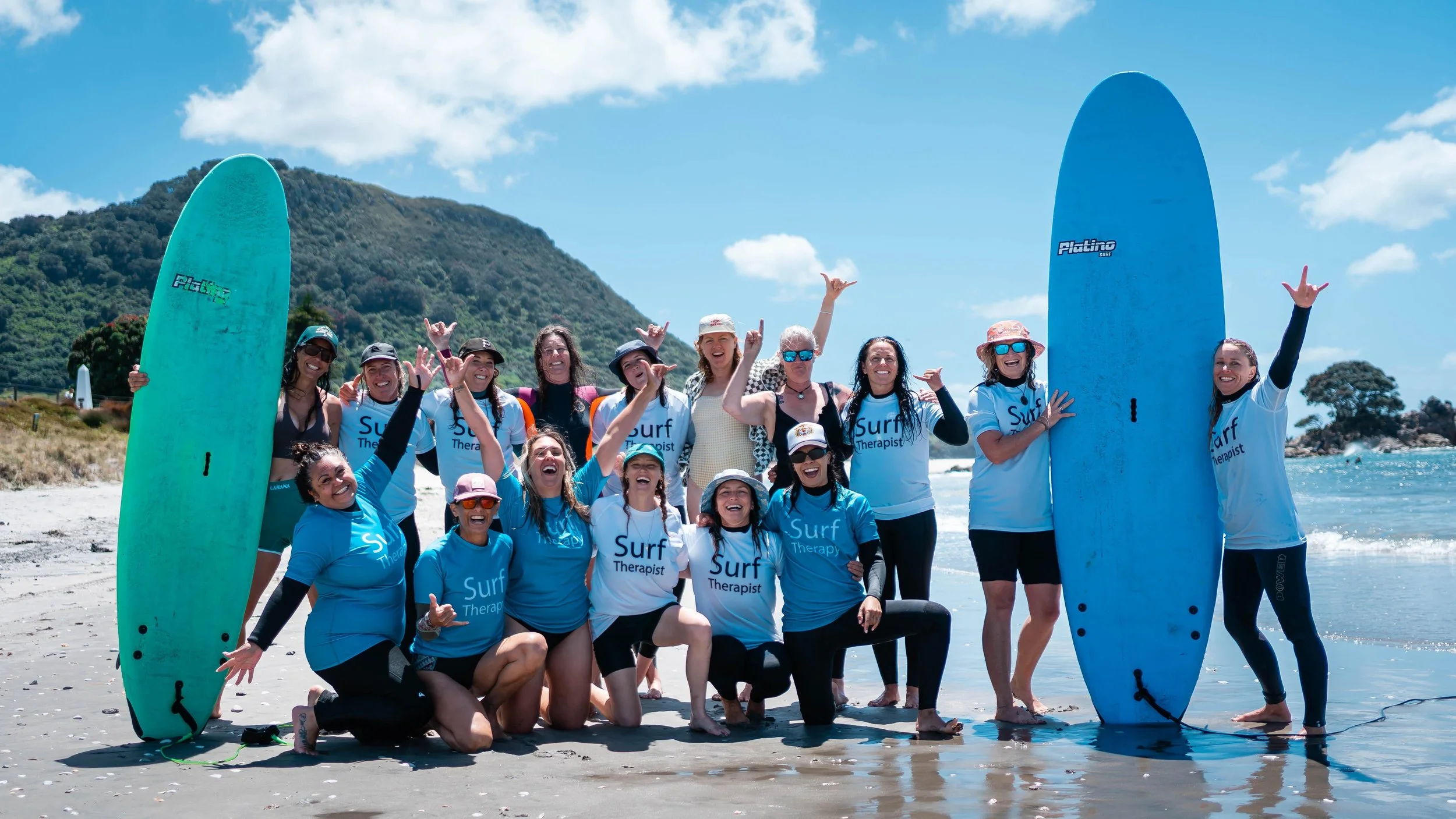
Salt Sisters began as a simple but powerful idea: that the ocean, community, and shared experiences can create meaningful pathways for healing and wellbeing.
Blending surf instruction with therapeutic reflection, group connection, and creative expression, the Salt Sisters pilot programme was designed to support women to reconnect with themselves, each other, and the natural world. Through time in the water, kōrero on the beach, and intentional spaces for reflection, the programme creates opportunities for resilience, confidence, and belonging to grow.
In the interview below, programme co-founder and surf therapy practitioner, Annericke Leonard shares the inspiration behind Salt Sisters, the need it responds to in the community, and the vision for how surf therapy could play a role in the future of wellbeing support in Aotearoa and beyond.
What inspired you to start this surf-therapy pilot at this time and place?
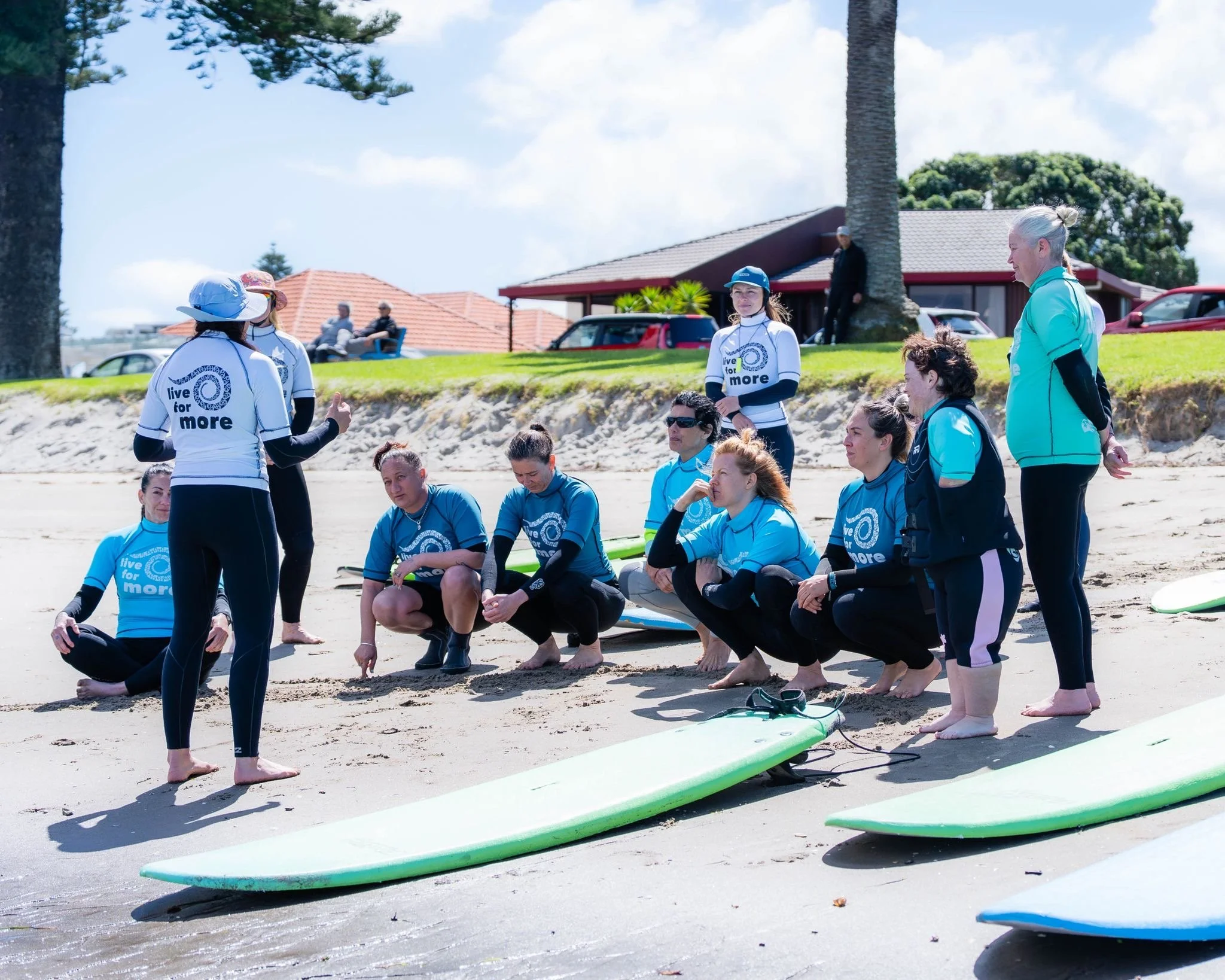
I had already developed a surf therapy curriculum that included walk-and-talk sessions, BWRT components, and writing circles. My original plan was to offer a service for young people that combined 1:1 surf therapy, counselling, and creative expression.
When Uncle B approached me about creating a women’s surf therapy programme, it felt like perfect timing. I remember thinking, “I’ve already got the curriculum and the programme structure — I just need to adapt it for women and for a group setting. Let’s go!”
That conversation became the spark that helped bring Salt Sisters to life.
What gap or need did you see in the community that traditional therapy or support services weren’t addressing?
I truly believe that people who are struggling emotionally, socially, or mentally need more pathways into healing than traditional therapy alone.
Nature, movement, metaphor, mastery, group sharing, and creative expression are incredibly powerful tools for wellbeing, yet they’re often missing from conventional support services. Salt Sisters includes all of those, which is why I am so proud of helping bring it to life with Kristin.
Can you walk us through what a typical session in the preventive programme looks like?
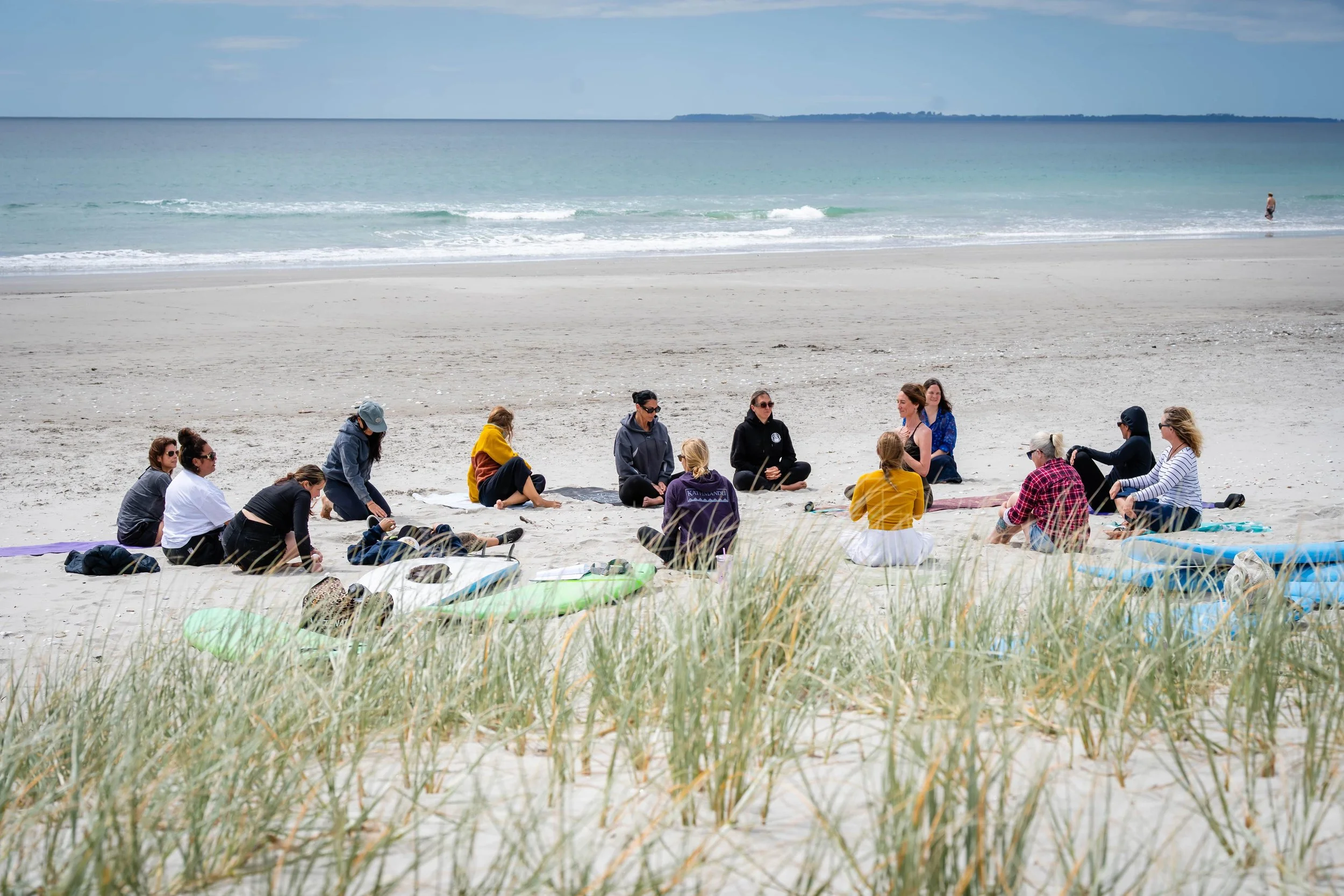
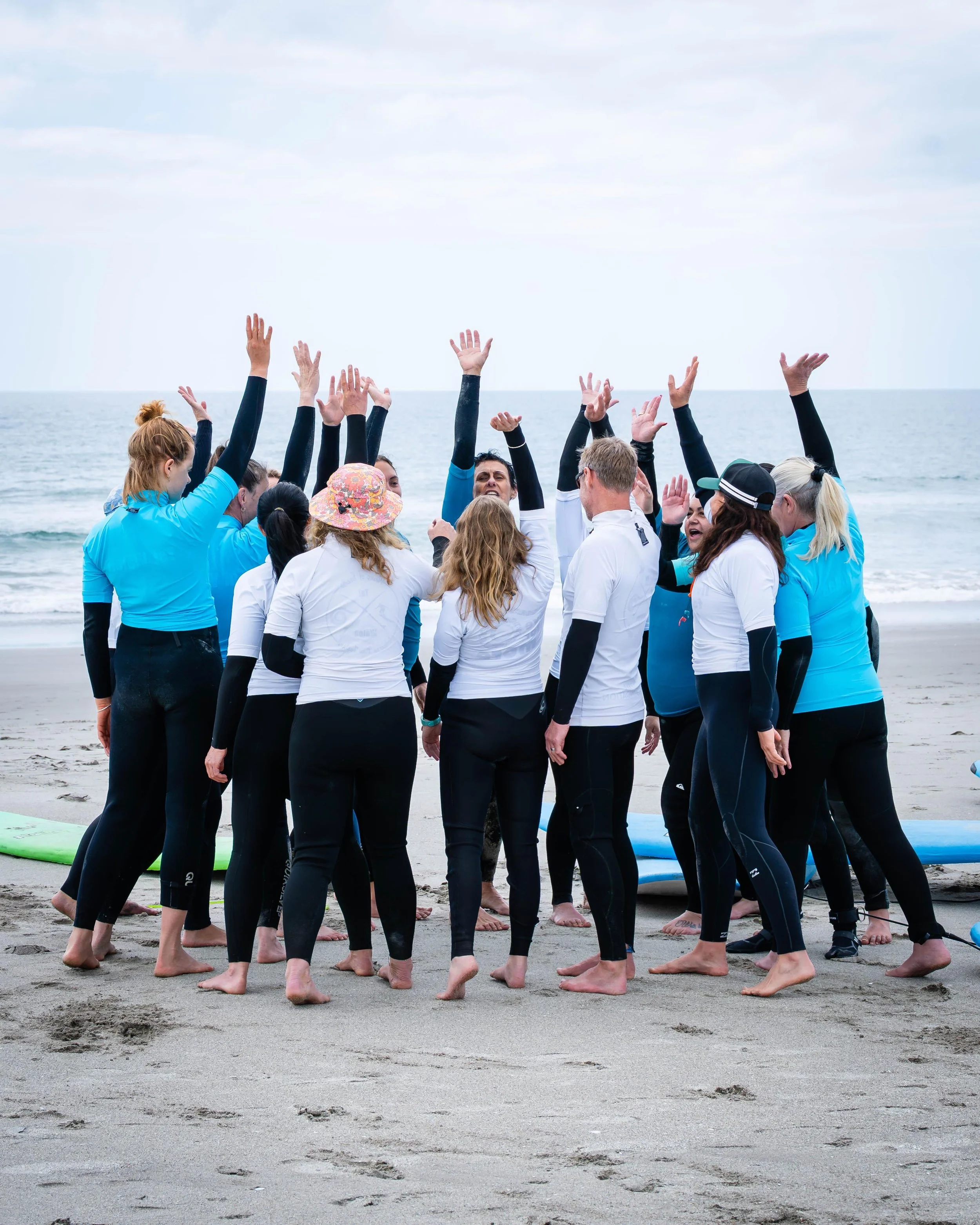
Sessions begin with the women arriving and catching up informally. We then gather in a circle to check in - sharing what’s alive for us that morning and what we might want to leave on land before heading into the water. Each week, we introduce and discuss a theme connected to both surfing and living well as women. From there the flow of the session looks like this: we do yoga on the beach, then we get changed and go over surf instruction from Kristin, then we surf.
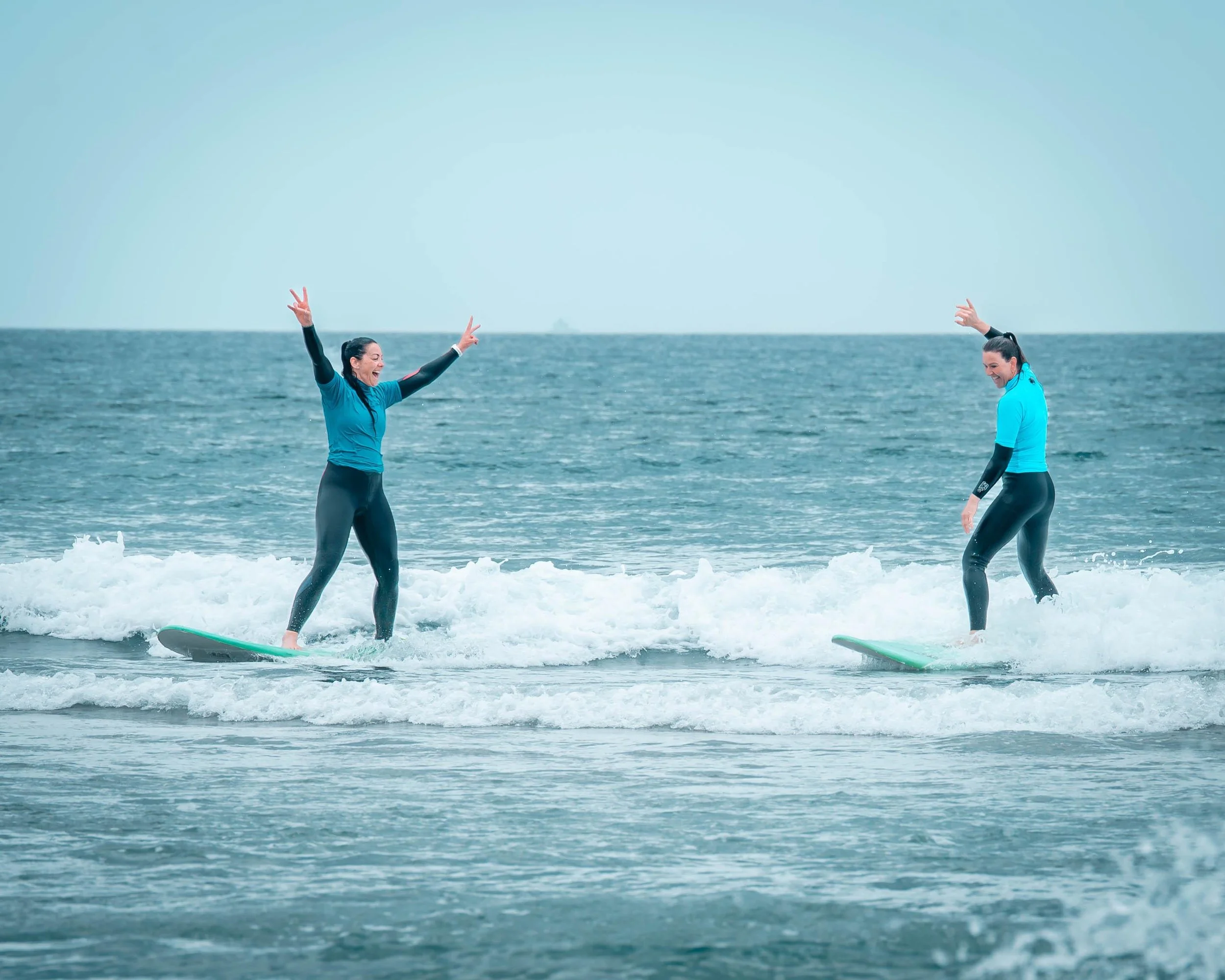
We cheer each other on, laugh, push ourselves, rest, chat. Then we get changed and have coffee and kai while we discuss our personal experience with that theme and our experience with learning to surf that day. To integrate the learning, through kinesthetic metaphor, discussion, and being validated in group.
What types of support do you build around the surfing itself?
Salt Sisters wraps holistic emotional, social and physical support around the surfing itself. Alongside inclusive, confidence-focused surf instruction, we provide facilitated group reflections and writing circles, access to 1:1 counselling and life coaching, and intentional spaces for kōrero and whakawhanaungatanga. Small, consistent groups foster genuine connection, peer support and a strong sense of belonging, while trauma-informed, non-competitive practices support emotional regulation, self-trust and wellbeing.
Surfing is the entry point, but the deeper impact comes from the combination of ocean time, therapeutic reflection and community — supporting wāhine to build resilience, confidence and connection that extends well beyond the beach.
How do you balance surfing’s fun and adventurous side with its therapeutic aims?
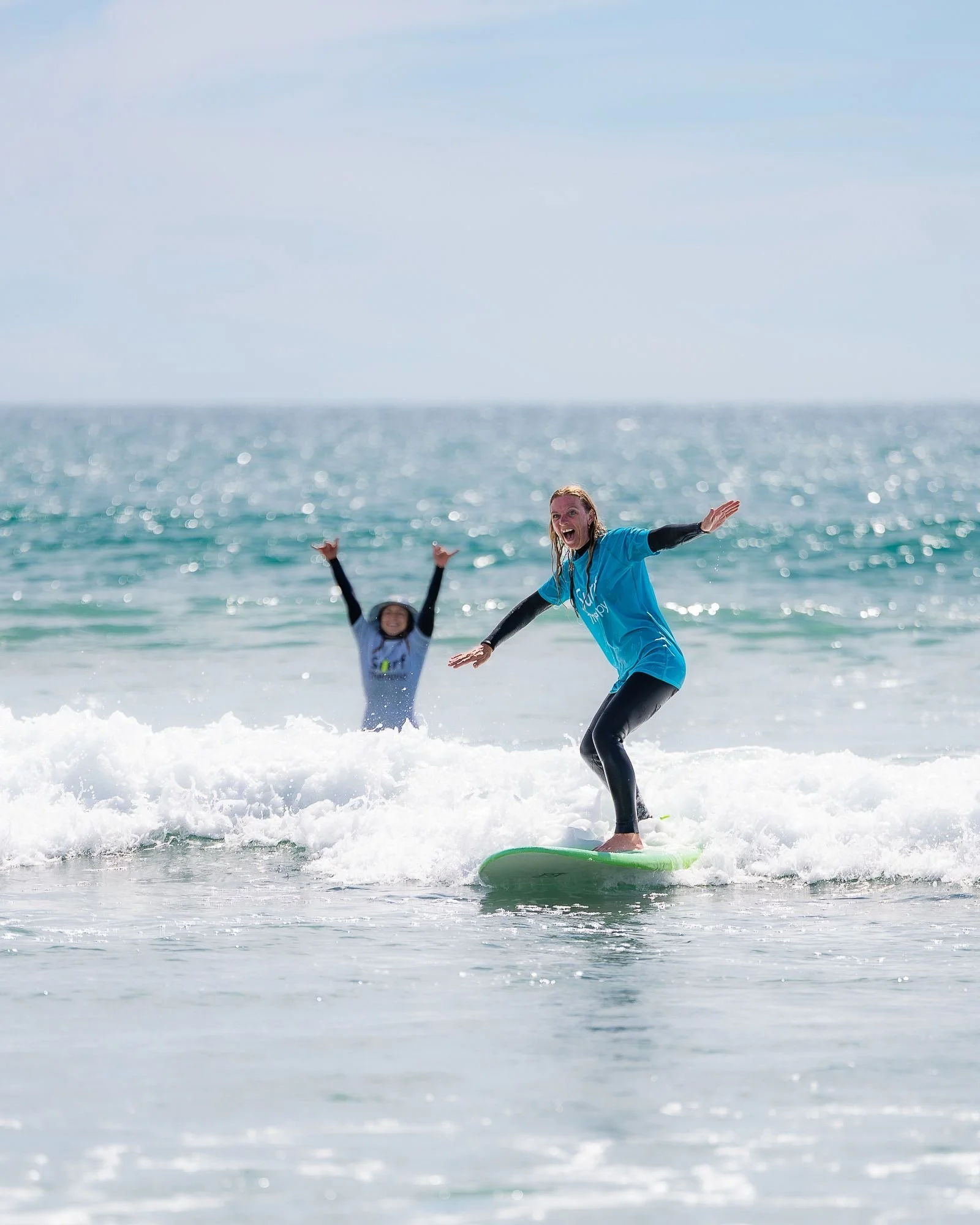
Great question — and honestly, I think we nail it.
Joy and play is SO IMPORTANT for healing and for women who are healing. Salt Sisters balances fun and therapy by keeping surfing playful, non-competitive and joy-led, while intentionally framing each session around simple therapeutic themes like resilience, self-trust and emotional regulation.
The ocean provides the challenge and adventure; we support women to notice what comes up, build coping skills in the moment, and reflect afterwards so learning is integrated naturally - without taking the joy out of the experience.
What wellbeing outcomes are you hoping to achieve with the pilot?
Based on our pre- and post-programme surveys, we’ve already seen meaningful outcomes in several areas:
Increased social connection and belonging
Improved mental wellbeing
Stronger personal and life skills, including confidence, self trust and emotional regulation
Greater engagement with healthy lifestyles
What role do you envision surf therapy playing in the broader mental-health ecosystem?
Surf therapy has the potential to be a powerful, accessible complement to traditional mental-health services in Aotearoa and globally.
It offers an early-intervention and preventative pathway that supports mental wellbeing, resilience, social connection and healthy lifestyles, particularly for people who may not engage with clinical services. By combining nature-based activity, community and therapeutic reflection, surf therapy helps bridge the gap between clinical care and everyday wellbeing, strengthening individual and community mental health outcomes.
How has working on this pilot changed you personally?
Working on this pilot has deeply strengthened my confidence and appreciation for my own self and body, through witnessing other women reconnect with theirs. I’ve seen how, when one woman embraces herself and lets her light shine, it gives others permission to do the same. The programme has reinforced for me that healing happens in community, through shared experiences and corrective emotional moments that build trust, safety and belonging. It has also highlighted how powerful mastery and connection with nature are in supporting wellbeing - the ocean offers both challenge and care, making healing feel embodied, real and sustainable.
What’s your vision for the future of surf therapy?
Our vision is for surf therapy to be recognised as a credible, evidence-informed wellbeing intervention in Aotearoa and beyond.
The academic article I published in 2022, based on my masters thesis which was an external evaluation of LFM’s Tai Wātea program, was part of achieving that (Leonard et al., 2022). In the next 1–5 years, we hope to see programmes like Salt Sisters become more accessible through partnerships with health, education and community organisations, with strong referral pathways and trained facilitators. Over the longer term, we envision surf therapy embedded within the broader mental-health ecosystem - supporting prevention, early intervention and community wellbeing at scale, while staying grounded in joy, connection and the healing power of the ocean.
How you can support women’s wellbeing
By investing in women, we invest in families, children and the wellbeing of entire communities. Supporting Salt Sisters means prioritising preventative mental health, connection and resilience at the source. When women are resourced, regulated and supported, the ripple effects are felt across whānau and generations. We invite sponsors to stand with us in placing women’s wellbeing where it belongs — at the centre of healthy, thriving communities.
Follow Salt Sisters or find out more how to support.
Thanks so much for your time Annericke, we can’t wait to see what the future’s got in store for you and the Salt Sisters!
Photos: Ane McGrail
